In today’s hyper-connected business world, choosing the right CRM isn’t just smart—it’s essential. Discover the top cloud-based CRM platforms that are revolutionizing customer relationships, boosting sales, and streamlining operations across industries.


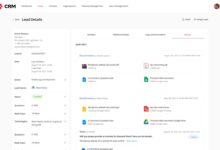

Top Cloud-Based CRM Platforms: Why They Dominate Modern Business

Cloud-based CRM platforms have become the backbone of customer relationship management for businesses of all sizes. Unlike traditional on-premise systems, these platforms offer unmatched flexibility, scalability, and real-time access from anywhere in the world. As remote work and digital transformation accelerate, companies are increasingly turning to cloud solutions to stay competitive.
What Makes Cloud CRM Superior?
The shift from legacy systems to cloud-based CRM is more than just a trend—it’s a strategic evolution. Cloud CRMs eliminate the need for expensive hardware, reduce IT overhead, and enable seamless updates without downtime. This means businesses can adapt quickly to market changes and customer demands.
- Instant access from any device with internet connectivity
- Automatic software updates and security patches
- Lower total cost of ownership compared to on-premise systems
According to Gartner, the global CRM software market surpassed $80 billion in 2023, with cloud-based solutions accounting for over 85% of new deployments. This dominance reflects the growing trust in cloud infrastructure and its ability to deliver consistent, secure, and scalable performance.
Key Drivers Behind Cloud CRM Adoption
Several factors are fueling the rapid adoption of top cloud-based CRM platforms. First, the rise of remote and hybrid work models demands tools that support collaboration across geographies. Second, integration with AI, automation, and analytics has made CRMs smarter and more proactive.
- Integration with AI-powered insights and chatbots
- Real-time data synchronization across departments
- Enhanced customer personalization through behavioral tracking
“The future of CRM is not just in managing contacts, but in predicting customer behavior and automating engagement at scale.” — Salesforce CEO Marc Benioff
Top Cloud-Based CRM Platforms: A Comparative Overview
With dozens of options available, selecting the right CRM can be overwhelming. To simplify your decision, we’ve analyzed the leading platforms based on features, pricing, scalability, and user experience. These seven stand out as the most powerful and widely adopted solutions in 2024.
1. Salesforce Sales Cloud
Salesforce remains the undisputed leader in the CRM space, powering over 150,000 companies worldwide. Its Sales Cloud offers a comprehensive suite of tools for lead management, opportunity tracking, forecasting, and pipeline analytics.
- AI-powered Einstein Analytics for predictive forecasting
- Robust customization via Lightning App Builder
- Extensive AppExchange ecosystem with 3,000+ integrations
Salesforce’s strength lies in its ecosystem. Whether you need marketing automation, service cloud, or commerce integration, Salesforce provides a unified platform. Learn more at salesforce.com.
2. HubSpot CRM
HubSpot CRM is a favorite among small to mid-sized businesses due to its intuitive interface and free tier. It excels in inbound marketing, sales automation, and customer service workflows.
- Free plan with full CRM functionality
- Seamless integration with email, calendar, and social media
- Powerful automation workflows for lead nurturing
What sets HubSpot apart is its educational resources and community support. Their Academy offers free certifications, making it easier for teams to get up to speed. Visit hubspot.com to explore their offerings.
3. Microsoft Dynamics 365
For enterprises already embedded in the Microsoft ecosystem, Dynamics 365 offers deep integration with Office 365, Teams, and Azure. It’s particularly strong in sales force automation and customer service.
- Native integration with Outlook, Excel, and Power BI
- AI-driven insights via Customer Insights
- Flexible deployment options (cloud, hybrid, on-premise)
Dynamics 365 is ideal for organizations seeking a unified platform across ERP and CRM functions. More details at dynamics.microsoft.com.
Top Cloud-Based CRM Platforms: Features That Set Them Apart
While all top cloud-based CRM platforms offer core functionalities like contact management and sales tracking, the real differentiators lie in advanced features. These include AI integration, workflow automation, omnichannel support, and analytics depth.
AI and Predictive Analytics
Artificial intelligence is no longer a luxury—it’s a necessity. Platforms like Salesforce Einstein, HubSpot’s Predictive Lead Scoring, and Zoho Zia use machine learning to analyze customer behavior and predict outcomes.
- Lead scoring based on engagement patterns
- Next-best-action recommendations for sales reps
- Sentiment analysis in customer communications
These capabilities reduce guesswork and increase conversion rates by focusing efforts on high-potential opportunities.
Workflow Automation and Process Management
Automation is a game-changer for efficiency. Top cloud-based CRM platforms allow users to create custom workflows that trigger actions based on specific conditions—like sending follow-up emails, assigning tasks, or updating deal stages.
- Drag-and-drop workflow builders
- Conditional logic for dynamic routing
- Integration with external tools via APIs or Zapier
For example, a lead from a webinar can automatically be added to a nurturing sequence, assigned to a sales rep, and tracked through the pipeline without manual intervention.
“Automation doesn’t replace humans; it empowers them to focus on what matters most—building relationships.” — Dharmesh Shah, CTO of HubSpot
Top Cloud-Based CRM Platforms: Scalability and Customization
One size does not fit all. The best CRM platforms offer scalability and customization to meet the unique needs of different industries and business models.
Customization Through Low-Code Tools
Modern CRMs come equipped with low-code or no-code development environments. Salesforce’s Lightning Platform, Zoho Creator, and Microsoft Power Apps allow users to build custom modules, forms, and dashboards without writing complex code.
- Create industry-specific fields and layouts
- Build custom reports and KPIs
- Develop internal apps for unique business processes
This flexibility ensures that the CRM grows with the business, adapting to new products, markets, or compliance requirements.
Scalability for Enterprise Needs
For large organizations, scalability means handling millions of records, thousands of users, and complex data hierarchies. Platforms like Salesforce and Oracle CX are built for enterprise-grade performance.
- Multi-currency, multi-language, and multi-region support
- Advanced security and compliance (GDPR, HIPAA, SOC 2)
- Dedicated customer success managers and SLAs
These features ensure that even global corporations can maintain data integrity and operational efficiency across regions.
Top Cloud-Based CRM Platforms: Integration Capabilities
A CRM is only as powerful as its ability to connect with other tools. The best platforms offer seamless integration with email, marketing automation, ERP, e-commerce, and communication platforms.
Native Integrations vs. Third-Party Connectors
Some CRMs offer native integrations with popular tools like Gmail, Outlook, Slack, Zoom, and Shopify. Others rely on middleware platforms like Zapier or Make (formerly Integromat) to bridge gaps.
- Salesforce integrates natively with MuleSoft for enterprise API management
- HubSpot connects directly with Facebook Ads, Google Ads, and WordPress
- Dynamics 365 leverages Azure Logic Apps for complex workflows
Native integrations typically offer better performance and reliability, while third-party connectors provide broader reach across niche tools.
API Access and Developer Support
For businesses with custom software or unique data flows, API access is critical. Top cloud-based CRM platforms provide RESTful APIs, SDKs, and developer documentation to enable deep customization.
- REST and SOAP APIs for data synchronization
- Webhooks for real-time event triggers
- Developer communities and sandbox environments
For instance, developers can use Salesforce’s API to pull CRM data into a custom dashboard or push order information from an e-commerce platform into the CRM.
Top Cloud-Based CRM Platforms: Pricing and ROI Considerations
Cost is a major factor in CRM selection. While some platforms offer free tiers, others charge hundreds per user per month. Understanding the total cost of ownership (TCO) and return on investment (ROI) is crucial.
Free vs. Paid Plans: What’s Included?
HubSpot and Zoho CRM offer robust free plans that include contact management, email tracking, and basic automation. However, advanced features like reporting, phone integration, and AI require paid upgrades.
- HubSpot Free: Unlimited contacts, email tracking, live chat
- Zoho CRM Free: Up to 3 users, lead and deal management
- Salesforce Essentials: $25/user/month for core CRM features
Free plans are excellent for startups, but growing businesses often need to upgrade to access scalability and advanced analytics.
Calculating CRM ROI
The return on investment from a CRM can be measured in increased sales productivity, shorter sales cycles, improved customer retention, and reduced operational costs.
- Studies show CRM users see a 29% increase in sales performance (Nucleus Research)
- Automation can save up to 40% of time spent on manual data entry
- Personalized marketing campaigns yield 5x higher ROI
To maximize ROI, companies should align CRM implementation with clear business goals, provide adequate training, and continuously optimize usage.
Top Cloud-Based CRM Platforms: User Experience and Adoption
No matter how powerful a CRM is, it’s useless if employees don’t use it. User experience (UX) plays a critical role in adoption and long-term success.
Intuitive Interface Design
Platforms like HubSpot and Freshsales are praised for their clean, modern interfaces that resemble consumer apps. This reduces the learning curve and encourages daily usage.
- Drag-and-drop dashboards
- Mobile-optimized design
- Contextual help and tooltips
In contrast, more complex platforms like Salesforce require training but offer greater depth for power users.
Mobile Accessibility and Offline Functionality
Sales teams on the go need CRM access from smartphones and tablets. Most top cloud-based CRM platforms offer dedicated mobile apps with offline capabilities.
- Salesforce Mobile App supports offline data entry and sync
- HubSpot’s mobile app includes voice-to-text note-taking
- Microsoft Dynamics 365 integrates with Teams for real-time collaboration
Mobile access ensures that customer interactions are logged immediately, reducing data loss and improving accuracy.
What is a cloud-based CRM?
A cloud-based CRM is a customer relationship management system hosted on remote servers and accessed via the internet. It allows businesses to manage customer data, track interactions, automate sales processes, and analyze performance in real time without needing on-site hardware.
Which CRM is best for small businesses?
HubSpot CRM and Zoho CRM are often considered the best for small businesses due to their free plans, ease of use, and scalable features. They offer essential tools like contact management, email tracking, and automation without requiring a large budget or IT team.
How secure are cloud-based CRM platforms?
Top cloud-based CRM platforms use enterprise-grade security measures including data encryption, multi-factor authentication, regular audits, and compliance with standards like GDPR and SOC 2. Providers like Salesforce and Microsoft invest heavily in cybersecurity to protect customer data.
Can CRM platforms integrate with email and calendars?
Yes, most top cloud-based CRM platforms offer seamless integration with email services like Gmail and Outlook, as well as calendar apps. This allows automatic logging of emails, meeting scheduling, and task creation directly from the CRM interface.
Do I need IT support to implement a cloud CRM?
While some platforms like HubSpot and Zoho are designed for self-implementation, larger deployments may benefit from IT or consultant support. Many vendors offer onboarding services, training, and customer success teams to ensure smooth adoption.
Choosing the right cloud-based CRM is a strategic decision that can transform how your business engages with customers. From Salesforce’s enterprise power to HubSpot’s user-friendly design, the top cloud-based CRM platforms offer tools to drive growth, improve efficiency, and deliver exceptional customer experiences. By evaluating features, pricing, scalability, and integration capabilities, you can select a solution that aligns with your goals and evolves with your business. The future of customer relationships is in the cloud—make sure you’re leveraging it to its full potential.
Recommended for you 👇
Further Reading:
