Imagine a world where your customer service never sleeps, sales leads are nurtured 24/7, and every client interaction feels deeply personal—thanks to smart automation. Welcome to the era of CRM with AI chatbot integration, where cutting-edge technology meets customer relationship management in the most powerful way yet.



What Is CRM With AI Chatbot Integration?

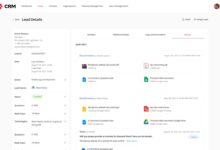
At its core, CRM with AI chatbot integration refers to the seamless fusion of Customer Relationship Management (CRM) systems and artificial intelligence-powered chatbots. This integration enables businesses to automate customer interactions, enrich data collection, and deliver hyper-personalized experiences—all in real time.
Defining CRM Systems
Customer Relationship Management (CRM) platforms like Salesforce, HubSpot, and Zoho are designed to manage all aspects of customer interactions. These systems store customer data, track sales pipelines, manage support tickets, and analyze customer behavior to improve engagement.
- CRMs centralize customer information across departments.
- They support marketing automation, lead scoring, and campaign tracking.
- Modern CRMs offer APIs for third-party integrations, including AI tools.
Understanding AI Chatbots
AI chatbots are intelligent virtual assistants powered by natural language processing (NLP) and machine learning. Unlike rule-based bots, AI chatbots learn from interactions, understand context, and respond dynamically. Platforms like Google Dialogflow and IBM Watson enable developers to build sophisticated conversational agents.
- They interpret user intent through NLP.
- They improve over time using feedback loops.
- They can handle complex queries, not just predefined scripts.
How Integration Works
Integrating an AI chatbot with a CRM involves connecting the chatbot’s backend to the CRM’s API. When a customer interacts with the bot, relevant data—such as contact details, conversation history, or purchase intent—is automatically logged into the CRM.
“The synergy between CRM and AI chatbots transforms raw data into actionable insights, enabling smarter decisions and faster responses.” — TechCrunch, 2023
- Data flows bidirectionally: chatbots pull customer history from CRM and push new interactions back.
- Triggers can be set—for example, escalating a chat to a human agent when frustration is detected.
- Integration often uses middleware like Zapier or custom-built APIs.
7 Key Benefits of CRM With AI Chatbot Integration
The combination of CRM and AI chatbots isn’t just a tech upgrade—it’s a strategic transformation. Here are seven game-changing advantages that businesses experience when they adopt CRM with AI chatbot integration.
1. 24/7 Customer Support Without Extra Costs
One of the most immediate benefits is round-the-clock customer service. AI chatbots don’t need breaks, holidays, or salaries, yet they can handle thousands of queries simultaneously.
- Resolve common issues like order tracking, password resets, or FAQs instantly.
- Reduce response time from hours to seconds.
- Scale support during peak seasons without hiring temporary staff.
According to a report by Gartner, companies using AI chatbots see up to a 30% reduction in customer service costs.
2. Hyper-Personalized Customer Experiences
CRM with AI chatbot integration allows businesses to deliver personalized interactions at scale. By accessing CRM data, chatbots can greet customers by name, reference past purchases, and recommend relevant products.
- Use purchase history to suggest complementary items.
- Send personalized follow-ups based on browsing behavior.
- Adapt tone and language based on customer profile (e.g., formal vs. casual).
“Personalization is no longer a luxury—it’s an expectation. AI-powered CRM bots meet that demand effortlessly.” — Forbes, 2024
3. Real-Time Lead Capture and Qualification
AI chatbots act as always-on sales agents, engaging website visitors the moment they land on a page. When integrated with CRM, they can capture lead information and qualify prospects based on predefined criteria.
- Ask qualifying questions: “Are you looking for a solution for your team or personal use?”
- Assign lead scores based on engagement level and responses.
- Automatically create contact records in the CRM with source tracking.
For example, a chatbot on a SaaS company’s pricing page can identify high-intent users and route them to a sales representative with full context.
4. Seamless Handoff to Human Agents
Not every issue can be resolved by a bot. The real power of CRM with AI chatbot integration lies in its ability to recognize when a human touch is needed and facilitate a smooth transition.
- Monitor sentiment and escalate if a customer shows frustration.
- Provide the agent with the full chat history and CRM profile before the handoff.
- Reduce repetition and improve first-contact resolution rates.
This hybrid model ensures efficiency without sacrificing empathy.
5. Automated Data Entry and CRM Enrichment
Manual data entry is not only time-consuming but also error-prone. With AI chatbot integration, every customer interaction automatically updates the CRM.
- Log conversation summaries, preferences, and feedback directly into contact records.
- Update lead status (e.g., from “interested” to “demo requested”).
- Tag customers based on interests expressed during chat (e.g., “interested in premium plan”).
This eliminates silos and ensures that sales, marketing, and support teams work with the most up-to-date information.
6. Proactive Customer Engagement
Modern AI chatbots don’t just wait for customers to reach out—they initiate conversations based on behavior. When linked to CRM data, they can trigger proactive messages that feel timely and relevant.
- Send a chat popup when a user spends more than 2 minutes on a pricing page.
- Offer help if a customer abandons their cart.
- Follow up with a satisfaction survey after a support ticket is closed.
This level of engagement boosts conversion rates and strengthens customer loyalty.
7. Enhanced Analytics and Business Intelligence
Every chatbot interaction generates valuable data. When integrated with CRM, this data becomes part of a larger analytics ecosystem, enabling deeper insights into customer behavior and operational efficiency.
- Track which questions are asked most frequently to improve knowledge bases.
- Identify common pain points that lead to support escalations.
- Measure bot performance using metrics like resolution rate and customer satisfaction (CSAT).
These insights help refine both chatbot scripts and overall customer experience strategies.
Top CRM Platforms Supporting AI Chatbot Integration
Not all CRM systems are created equal when it comes to AI chatbot integration. Some platforms offer native support, while others rely on third-party tools. Here’s a look at the leading CRMs that seamlessly integrate with AI chatbots.
Salesforce + Einstein Bots
Salesforce is a pioneer in AI-powered CRM solutions. Its Einstein Bot Builder allows businesses to create intelligent chatbots without extensive coding.
- Bots can access Salesforce records in real time.
- They can create cases, update leads, and even suggest knowledge articles.
- Integration with Slack and Service Cloud enhances collaboration.
Learn more at Salesforce Einstein Bots.
HubSpot + Custom Bot Integrations
HubSpot doesn’t have a native AI chatbot, but its robust API and marketplace make it easy to integrate with platforms like Drift, ManyChat, and MobileMonkey.
- Sync chatbot conversations with contact timelines.
- Trigger email workflows based on chatbot interactions.
- Use HubSpot’s CRM to personalize chatbot responses.
Explore integrations at HubSpot Chatbot Tools.
Zoho CRM + Zia AI Assistant
Zoho’s AI assistant, Zia, can be extended into chatbot functionality through Zoho Desk and Zoho SalesIQ.
- Zia can predict customer needs and suggest responses.
- SalesIQ enables live chat and AI-driven visitor engagement.
- Full integration with Zoho’s ecosystem ensures data consistency.
Visit Zoho Zia for more details.
How to Implement CRM With AI Chatbot Integration
Implementing CRM with AI chatbot integration requires careful planning, technical setup, and ongoing optimization. Here’s a step-by-step guide to ensure a successful deployment.
Step 1: Define Your Goals and Use Cases
Before writing a single line of code, clarify what you want to achieve. Are you aiming to reduce support tickets? Increase lead conversion? Improve customer satisfaction?
- Map out key customer journeys where chatbots can add value.
- Prioritize high-volume, repetitive tasks for automation.
- Set measurable KPIs: response time, resolution rate, lead capture rate.
Step 2: Choose the Right Tools
Select a CRM and chatbot platform that align with your business needs and technical capabilities.
- For enterprises: Salesforce + Einstein or Microsoft Dynamics + Power Virtual Agents.
- For SMBs: HubSpot + Drift or Zoho + Zia.
- For developers: Use Dialogflow or Rasa with custom CRM APIs.
Step 3: Design Conversational Flows
Create intuitive, user-friendly conversation paths. Avoid overly complex scripts that confuse users.
- Use natural language and empathetic tone.
- Include fallback options when the bot doesn’t understand.
- Design for both text and voice inputs if applicable.
Step 4: Connect CRM and Chatbot via API
This is the technical heart of integration. Use REST APIs, webhooks, or middleware to enable data exchange.
- Authenticate securely using OAuth or API keys.
- Map chatbot fields (e.g., name, email) to CRM contact fields.
- Test data syncing in a sandbox environment first.
Step 5: Train the AI Model
AI chatbots need training data to understand customer intent. Feed them historical chat logs, FAQs, and common queries.
- Label intents (e.g., “reset password”, “check order status”).
- Train for synonyms and variations in phrasing.
- Continuously refine based on real user interactions.
Step 6: Test and Launch
Run extensive testing before going live. Simulate various user scenarios and edge cases.
- Conduct A/B testing with and without chatbot support.
- Gather feedback from early users.
- Monitor performance metrics post-launch.
Step 7: Monitor, Optimize, and Scale
Integration isn’t a one-time project. Regularly review chatbot performance and CRM data quality.
- Use analytics to identify misunderstood queries.
- Update conversation scripts based on user behavior.
- Scale to new channels (WhatsApp, SMS, social media) as needed.
Real-World Examples of CRM With AI Chatbot Integration
Theoretical benefits are compelling, but real-world applications prove the true value of CRM with AI chatbot integration. Let’s explore how leading companies are leveraging this technology.
1. Sephora: Personalized Beauty Assistance
Sephora’s chatbot on Facebook Messenger integrates with its CRM to offer personalized product recommendations and booking services.
- Users can take a skin tone quiz, and the bot suggests matching foundation shades.
- Booking a makeup session updates the CRM with appointment details.
- Follow-up emails are triggered based on chatbot interactions.
This integration has increased booking rates by 11% and improved customer satisfaction scores.
2. Bank of America: Erica, the Virtual Financial Assistant
Erica is an AI-powered chatbot that helps customers manage finances, check balances, and pay bills. It’s deeply integrated with Bank of America’s CRM and transaction systems.
- Erica accesses account data securely to provide personalized insights.
- It logs user preferences and financial goals in the CRM.
- Escalates complex issues to human advisors with full context.
As of 2023, Erica has over 19 million users and handles millions of requests monthly.
3. H&M: Fashion Recommendations via Kik
H&M launched a chatbot on Kik that acts as a personal stylist. Integrated with its CRM, the bot remembers user preferences and purchase history.
- Users answer style questions, and the bot curates outfits.
- Clicking on an item logs interest in the CRM for future marketing.
- Abandoned carts trigger follow-up messages via chat.
This strategy has boosted engagement and reduced marketing costs per acquisition.
Challenges and Limitations of CRM With AI Chatbot Integration
While the benefits are substantial, businesses must also be aware of the challenges that come with CRM with AI chatbot integration.
Data Privacy and Security Concerns
Handling sensitive customer data through chatbots raises privacy issues, especially under regulations like GDPR and CCPA.
- Ensure end-to-end encryption for chat sessions.
- Obtain explicit consent before storing personal data.
- Regularly audit data access and retention policies.
Integration Complexity
Connecting disparate systems—CRM, chatbot, website, payment gateways—can be technically challenging.
- Legacy CRMs may lack modern APIs.
- Data mapping errors can lead to incomplete records.
- Ongoing maintenance is required as systems evolve.
User Trust and Bot Limitations
Not all customers trust chatbots, especially when dealing with complex or emotional issues.
- Clearly disclose when a user is interacting with a bot.
- Avoid overpromising—bots should know their limits.
- Ensure seamless escalation to human agents when needed.
Training and Maintenance Overhead
AI chatbots require continuous training and monitoring to remain effective.
- Regularly update intent libraries and response scripts.
- Monitor for bias in AI responses.
- Allocate resources for ongoing optimization.
Future Trends in CRM With AI Chatbot Integration
The landscape of CRM with AI chatbot integration is evolving rapidly. Emerging technologies are set to make these systems even more intelligent and intuitive.
Advanced Natural Language Understanding (NLU)
Future chatbots will understand not just words, but tone, emotion, and context with greater accuracy.
- Sentiment analysis will enable bots to adjust responses in real time.
- They’ll detect sarcasm, urgency, or frustration more reliably.
- Integration with voice assistants like Alexa and Google Assistant will expand.
Generative AI and Large Language Models
With the rise of models like GPT-4 and Gemini, chatbots can generate human-like responses on the fly, rather than relying on pre-written scripts.
- Bots will draft personalized emails, summaries, and proposals.
- They’ll pull insights from unstructured data in CRM notes.
- Real-time translation will enable global customer support.
Predictive CRM Automation
AI will not only react to customer behavior but anticipate it.
- Chatbots will proactively reach out based on predicted churn risk.
- They’ll suggest next-best actions to sales reps during live chats.
- CRM systems will auto-update customer segments based on chatbot interactions.
Hyper-Personalization at Scale
Combining AI chatbots with CRM data and external data sources (e.g., social media, browsing history) will enable unprecedented personalization.
- Bots will remember past conversations across months or years.
- They’ll adapt communication style to individual preferences.
- Personalized offers will be generated in real time during chats.
FAQ
What is CRM with AI chatbot integration?
CRM with AI chatbot integration is the process of connecting an artificial intelligence-powered chatbot to a Customer Relationship Management system. This allows automated, intelligent customer interactions while enriching CRM data in real time, improving support, sales, and marketing efficiency.
Which CRM platforms support AI chatbot integration?
Top platforms include Salesforce (with Einstein Bots), HubSpot (via third-party tools like Drift), and Zoho (with Zia AI). Microsoft Dynamics, Oracle CRM, and SAP also offer robust integration capabilities.
Can AI chatbots replace human customer service agents?
No, but they can handle routine queries, freeing human agents for complex issues. The best approach is a hybrid model where chatbots and humans work together, with seamless handoffs powered by CRM integration.
How secure is customer data in AI chatbot-CRM systems?
Security depends on implementation. Reputable platforms use encryption, access controls, and compliance with GDPR, CCPA, and other regulations. Businesses must conduct regular audits and ensure transparent data policies.
How much does it cost to implement CRM with AI chatbot integration?
Costs vary based on scale and tools. Small businesses might spend $500–$2,000/month on platforms like HubSpot and Drift. Enterprises using Salesforce and custom AI models can invest $10,000+ monthly. ROI is typically high due to efficiency gains.
The integration of CRM with AI chatbot technology is no longer a futuristic concept—it’s a present-day necessity for businesses aiming to stay competitive. From automating support to enriching customer data and enabling proactive engagement, this synergy delivers measurable value across sales, marketing, and service teams. While challenges exist, the benefits far outweigh the hurdles, especially as AI continues to evolve. By adopting CRM with AI chatbot integration strategically, companies can build stronger relationships, reduce costs, and deliver exceptional customer experiences at scale.
Further Reading:
