For startups navigating early growth, finding the right tech stack is critical. Affordable CRM software for startups isn’t just a cost-saving move—it’s a strategic decision that fuels customer relationships, streamlines sales, and scales with ambition.


Affordable CRM Software For Startups: Why It’s a Game-Changer

Startups operate in a high-stakes environment where every dollar counts and every customer interaction shapes the brand. In this context, affordable CRM software for startups isn’t just a convenience—it’s a necessity. Customer Relationship Management (CRM) systems help organize leads, track interactions, automate follow-ups, and improve sales forecasting. For early-stage companies, the right CRM can mean the difference between chaotic spreadsheets and a scalable growth engine.
What Is a CRM and Why Startups Need One
A CRM is a software platform designed to manage a company’s interactions with current and potential customers. It centralizes customer data—contact details, communication history, purchase behavior, and support tickets—into one accessible system. For startups, this eliminates the inefficiencies of scattered data across emails, notes, and spreadsheets.
- Centralizes customer information for easy access
- Tracks sales pipelines and deal stages
- Automates repetitive tasks like email follow-ups
- Provides insights through reporting and analytics
Without a CRM, startups risk losing leads, miscommunicating with clients, and failing to scale processes efficiently. A study by Nucleus Research found that businesses earn an average of $8.71 for every dollar spent on CRM, highlighting its ROI potential—even for small teams.
Common Pain Points Startups Face Without a CRM
Many startups begin with manual systems: Google Sheets, email threads, and sticky notes. While these may suffice in the beginning, they quickly become unmanageable as the customer base grows.
- Lost leads: Without tracking, promising prospects slip through the cracks.
- Inconsistent follow-ups: Manual outreach leads to delays and missed opportunities.
- Poor team collaboration: Sales, marketing, and support teams work in silos with no shared customer view.
- Limited scalability: Processes that work for 10 customers fail at 100.
“A CRM isn’t just for big corporations. For startups, it’s the foundation of customer-centric growth.” — Sarah Chen, SaaS Growth Strategist
Key Features to Look for in Affordable CRM Software For Startups
Not all CRMs are created equal, especially when budget and usability are top priorities. Startups need a balance of functionality, ease of use, and affordability. Here are the essential features to prioritize when evaluating affordable CRM software for startups.
Lead and Contact Management
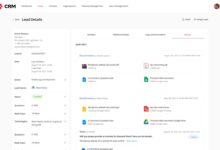
The core of any CRM is its ability to store and organize customer data. Look for systems that allow you to segment contacts by source, behavior, or lifecycle stage. This helps personalize outreach and prioritize high-value leads.
- Custom fields for tailored data collection
- Tagging and categorization options
- Integration with email and calendar tools
For example, Zoho CRM offers robust contact management with AI-powered insights, making it a top contender among affordable CRM software for startups.
Sales Pipeline and Deal Tracking
A visual sales pipeline helps teams understand where each deal stands—whether it’s a new lead, in negotiation, or ready to close. This transparency improves forecasting and accountability.
- Drag-and-drop pipeline customization
- Automated deal stage updates
- Revenue forecasting tools
Tools like Pipedrive are built around the sales pipeline concept, offering intuitive visuals that help startups manage their deals efficiently.
Automation and Workflow Efficiency
Time is a startup’s most precious resource. Automation reduces manual work by triggering actions based on user behavior or time-based rules.
- Email sequences for lead nurturing
- Task assignments when a deal moves stages
- Follow-up reminders for unresponsive leads
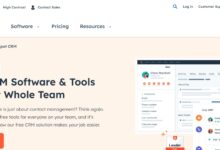
For instance, HubSpot CRM offers powerful automation features even in its free tier, making it one of the most popular affordable CRM software for startups.
Top 7 Affordable CRM Software For Startups in 2024
With dozens of CRM options on the market, choosing the right one can be overwhelming. Below is a curated list of the seven best affordable CRM software for startups, based on pricing, ease of use, scalability, and feature richness.
1. HubSpot CRM (Free & Paid Plans)
HubSpot CRM is a leader in the startup-friendly CRM space, offering a powerful free plan that includes contact management, email tracking, deal pipelines, and basic automation.
- Starting Price: Free (with paid tiers from $45/month)
- Best For: Startups wanting a scalable, all-in-one platform
- Key Features: Email tracking, meeting scheduling, live chat, marketing automation
Its intuitive interface and seamless integration with marketing and service hubs make HubSpot a top choice. The free version alone can support early-stage startups without breaking the bank. Learn more at HubSpot’s official site.
2. Zoho CRM (Flexible Pricing)
Zoho CRM is a feature-rich platform designed for growing businesses. It offers AI-powered sales assistant (Zia), workflow automation, and deep customization.
- Starting Price: $14/user/month (billed annually)
- Best For: Startups needing advanced automation and AI insights
- Key Features: Sales signals, AI forecasting, multi-channel communication
Zoho’s pricing is highly competitive, and its ecosystem includes over 50 integrated apps, from Mail to Projects. It’s ideal for startups planning to expand their tech stack. Explore more at Zoho CRM.
3. Pipedrive (Sales-Focused)
Pipedrive is built for sales teams that want a visual, pipeline-driven approach. Its simplicity makes it easy to adopt, even for non-technical founders.
- Starting Price: $14.90/user/month
- Best For: Sales-heavy startups with clear deal stages
- Key Features: Visual pipeline, activity reminders, email integration
Pipedrive excels in usability and mobile experience, helping startups stay on top of their sales game. Its focus on sales efficiency makes it a favorite among early-stage companies. Visit Pipedrive for a free trial.
4. Freshsales (by Freshworks)
Freshsales offers a modern, AI-powered CRM with built-in phone, email, and chat capabilities. It’s designed for speed and simplicity.
- Starting Price: $15/user/month (free plan available)
- Best For: Startups wanting built-in communication tools
- Key Features: AI-based lead scoring, visual workflow builder, real-time notifications
The free plan includes up to 10 users and 10,000 contacts, making it one of the most generous free CRMs. Its AI features help prioritize leads automatically. Learn more at Freshsales.
5. Agile CRM
Agile CRM combines CRM, marketing automation, and helpdesk features in one platform. It’s a solid choice for startups wanting an all-in-one solution.
- Starting Price: $9.99/user/month (free plan for up to 10 users)
- Best For: Bootstrapped startups needing multiple tools
- Key Features: Email campaigns, web tracking, task management
While the interface feels slightly dated, Agile CRM delivers strong value for the price. The free plan is particularly attractive for very early-stage teams. Check it out at Agile CRM.
6. Insightly
Insightly is a CRM with strong project management integration, making it ideal for service-based startups or those managing client projects.
- Starting Price: $29/user/month (free trial available)
- Best For: Startups managing client projects and relationships
- Key Features: Project tracking, relationship linking, workflow automation
Its ability to link contacts to projects and tasks sets it apart. While slightly pricier, it’s worth considering if your startup delivers custom services. Explore at Insightly.
7. Capsule CRM
Capsule CRM is a simple, no-frills CRM focused on contact and sales tracking. It’s perfect for startups that want a clean, easy-to-use system without complexity.
- Starting Price: $18/user/month (free plan for 2 users)
- Best For: Small teams needing basic CRM functionality
- Key Features: Task management, calendar sync, Google Workspace integration
Capsule integrates well with Gmail and Google Calendar, making it a natural fit for startups already using Google’s ecosystem. Learn more at Capsule CRM.
How to Choose the Right Affordable CRM Software For Startups
Selecting the best CRM isn’t just about price—it’s about fit. The right affordable CRM software for startups should align with your business model, team size, and growth goals. Here’s a step-by-step guide to making the right choice.
Assess Your Business Needs and Goals
Start by asking: What are your primary objectives? Are you focused on closing more sales, improving customer support, or automating marketing? Your goals will dictate which features matter most.
- If sales efficiency is key, prioritize pipeline management (e.g., Pipedrive).
- If marketing integration is crucial, consider HubSpot or Agile CRM.
- If you manage client projects, Insightly might be ideal.
Map your customer journey and identify where a CRM can add the most value—whether it’s lead capture, follow-up, or retention.
Evaluate Scalability and Integration Options
Your CRM should grow with you. A tool that works for 5 users may not support 50. Look for platforms that offer tiered pricing and support integrations with tools you already use or plan to adopt.
- Check compatibility with email providers (Gmail, Outlook)
- Ensure integration with accounting software (QuickBooks, Xero)
- Verify API access for custom workflows
For example, HubSpot and Zoho offer extensive app marketplaces, allowing startups to extend functionality as they grow.
Test User Experience and Onboarding
No matter how powerful a CRM is, it’s useless if your team won’t use it. Prioritize platforms with intuitive interfaces and low learning curves.
- Look for drag-and-drop customization
- Check for mobile app availability
- Assess onboarding resources (tutorials, support, webinars)
Most affordable CRM software for startups offers free trials or freemium plans. Take advantage of these to test usability before committing.
Maximizing ROI with Affordable CRM Software For Startups
Investing in a CRM is only the first step. To truly benefit, startups must use the tool strategically to drive growth and efficiency.
Automate Repetitive Tasks to Save Time
One of the biggest advantages of CRM software is automation. Set up workflows to handle routine tasks like sending follow-up emails, assigning leads, or logging calls.
- Create email sequences for new leads
- Automate task creation when a deal moves stages
- Use AI to score and prioritize leads
For example, Zoho CRM’s AI assistant can predict which leads are most likely to convert, helping sales teams focus their efforts.
Improve Sales Forecasting and Pipeline Visibility
A transparent sales pipeline allows founders and managers to make data-driven decisions. Use your CRM to track conversion rates, average deal size, and sales cycle length.
- Generate reports on win/loss ratios
- Monitor team performance metrics
- Forecast revenue based on active deals
Tools like Pipedrive offer real-time pipeline analytics, helping startups anticipate cash flow and plan hiring or marketing spend.
Enhance Customer Retention and Support
CRMs aren’t just for sales—they’re also powerful tools for customer success. Track support tickets, customer feedback, and renewal dates to reduce churn.
- Log all customer interactions in one place
- Set reminders for check-ins with key clients
- Use segmentation to deliver personalized experiences
HubSpot CRM, for instance, includes a service hub that lets startups manage tickets, knowledge bases, and customer feedback—all within the same platform.
Common Mistakes to Avoid When Implementing Affordable CRM Software For Startups
Even the best CRM can fail if implemented poorly. Here are common pitfalls startups should avoid when adopting affordable CRM software for startups.
Overcomplicating the System
Many startups fall into the trap of over-customizing their CRM from day one. Adding too many fields, workflows, or integrations can make the system slow and confusing.
- Start simple: focus on core features first
- Gradually add complexity as needed
- Train your team on essential functions before advanced ones
Remember, a CRM should simplify work, not complicate it.
Ignoring Data Quality and Hygiene
A CRM is only as good as the data it contains. Inaccurate or outdated information leads to poor decisions and broken workflows.
- Establish data entry standards (e.g., required fields)
- Regularly audit and clean your database
- Use deduplication tools to prevent duplicate contacts
Most CRMs, like Zoho and HubSpot, offer built-in tools to merge duplicates and validate email addresses.
Underutilizing Training and Support
Even user-friendly CRMs require some onboarding. Skipping training leads to low adoption and wasted investment.
- Use free tutorials and webinars offered by the vendor
- Appoint a CRM champion within your team
- Leverage customer support for troubleshooting
HubSpot, for example, offers a free certification program that helps teams master its CRM and marketing tools.
Future Trends in Affordable CRM Software For Startups
The CRM landscape is evolving rapidly, driven by AI, automation, and changing customer expectations. Startups that stay ahead of these trends can gain a competitive edge.
AI-Powered Insights and Predictive Analytics
Modern CRMs are incorporating artificial intelligence to provide smarter recommendations. AI can predict deal closure probabilities, suggest the best time to follow up, and even draft personalized emails.
- Zia in Zoho CRM analyzes sales patterns and recommends actions
- HubSpot’s AI tools generate email subject lines and content suggestions
- Freshsales uses AI to score leads based on engagement
These features help startups make faster, more accurate decisions with limited resources.
Increased Focus on Mobile and Remote Access
With remote work becoming the norm, mobile CRM access is no longer optional. Startups need platforms that offer robust mobile apps for on-the-go updates and communication.
- Pipedrive and HubSpot offer full-featured mobile apps
- Real-time sync ensures data is always up to date
- Mobile calling and email tracking enhance field sales
Mobile-friendly CRMs empower sales teams to stay productive from anywhere.
Deeper Integration with Marketing and Support Tools
The future of CRM is convergence. Standalone CRMs are giving way to unified platforms that blend sales, marketing, and service.
- HubSpot’s ecosystem connects CRM, marketing, sales, and service
- Zoho One offers over 50 integrated business apps
- Freshworks combines CRM with customer support and IT service management
For startups, this means fewer tools to manage and a more cohesive customer experience.
What is the best affordable CRM software for startups?
The best affordable CRM software for startups depends on your specific needs. HubSpot CRM is ideal for startups wanting a free, scalable platform with marketing integration. Pipedrive excels for sales-focused teams, while Zoho CRM offers advanced automation and AI at a competitive price.
Is there a free CRM that’s good for startups?
Yes, several free CRMs are excellent for startups. HubSpot CRM offers a powerful free plan with contact management, email tracking, and deal pipelines. Agile CRM and Freshsales also provide free tiers suitable for small teams.
How much should a startup budget for CRM software?
Startups can find quality CRM solutions for as little as $0 (free plans) to $30/user/month. Most early-stage companies spend between $15–$25 per user monthly. It’s wise to start with a low-cost or free plan and upgrade as your team and customer base grow.
Can a CRM help a startup scale faster?
Absolutely. A CRM helps startups scale by automating processes, improving team collaboration, and providing data-driven insights. It reduces manual work, minimizes errors, and ensures no lead is left behind—freeing founders to focus on strategy and growth.
What happens if a startup doesn’t use a CRM?
Without a CRM, startups risk inefficiency, lost leads, poor customer experiences, and difficulty scaling. Manual tracking methods like spreadsheets are error-prone and time-consuming, leading to missed opportunities and inconsistent communication.
Choosing the right affordable CRM software for startups is a strategic move that can accelerate growth, improve customer relationships, and streamline operations. From free options like HubSpot to feature-rich platforms like Zoho and Pipedrive, there’s a solution for every budget and business model. The key is to start simple, focus on core needs, and scale intelligently. By avoiding common pitfalls and leveraging automation and AI, startups can turn their CRM into a powerful growth engine. The future of customer management is integrated, intelligent, and accessible—even for the leanest startups.
Recommended for you 👇
Further Reading:
